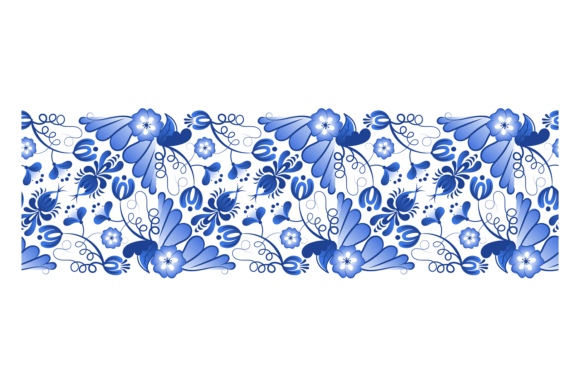
Ornate Border in Retro Floral Style. Blu
A Designer’s First Glance: Graceful, Nostalgic, and Quietly Bold
When Ornate Border in Retro Floral Style. Blu landed in my inbox, I paused—not because it screamed for attention, but because it invited slow looking. It’s a border, yes, but one that breathes like vintage wallpaper meets mid-century textile design: looping stems, soft petal clusters, subtle asymmetry, and that unmistakable retro warmth—tempered here by cool, confident blue tones. No frantic energy, no over-rendered realism. Just elegant rhythm, balanced negative space, and a quiet confidence that says “handmade with care,” not “designed for speed.” That mood matters deeply when you’re stitching for real people—especially on items like custom embroidered tote bags for a local boutique or baby blankets meant to be held, washed, and loved.
Where This Border Truly Shines (and Where It Asks for Thought)
I tested Ornate Border in Retro Floral Style. Blu as the outer frame on a linen tea towel and as a sleeve accent on a heavyweight cotton sweatshirt—and the difference was revealing. On the towel, its delicate curves translated beautifully into satin stitch definition; the blue popped against natural linen without overwhelming the fabric’s texture. On the sweatshirt? It held up cleanly, but only because I used medium-weight cutaway stabilizer and reduced stitch density slightly in the tighter floral loops. That’s the reality: this isn’t a “drop-in-and-stitch” machine embroidery design for beginners. It rewards intention.
It excels on:
- Personalized gifts—think monogrammed pillow covers where the border wraps gently around initials, adding heirloom weight without clutter;
- Boutique apparel—a single band along the hem of a baby romper or the cuff of an apron gives instant character;
- Embroidered patches—its clean vector outlines mean crisp edges when heat-applied or sewn-on;
- Holiday and wedding embroidery—the retro floral vibe reads timeless, not dated, especially in navy or dusty teal variations;
- Digital product previews—as a Graphics asset, it layers flawlessly into printable mockups for Etsy sellers showcasing handmade product lines.
Real Fabric, Real Limits: What to Watch For
This border walks a fine line between ornate and overwrought—and that balance shifts depending on your materials. On thin or stretchy fabric? The inner curves can pucker if stabilizer isn’t matched precisely. On dark fabric, those fine stem lines may vanish unless you choose high-contrast thread colors or add a light underlay. And on curved surfaces—like caps or tapered pillow corners—the spacing between motifs needs manual adjustment; auto-repeat functions often compress detail unnaturally.
Small hoop sizes (under 4” diameter) demand caution. While the full border is scalable, shrinking it too far blurs the retro charm—those intentional gaps between blossoms close up, turning graceful rhythm into visual noise. Likewise, dense fill stitch areas (like central flower centers) can create stiffness on lightweight cotton or knits. If you’re making nursery decor or baby embroidery, consider simplifying those zones manually—or using running stitch outlines instead of full fills.
How It Shapes Perception—Beyond the Stitch
Customers don’t just buy embroidery; they buy *feeling*. Ornate Border in Retro Floral Style. Blu signals thoughtfulness. When stitched onto a custom tote bag for a small shop, it elevates the item from “nice” to “curated.” Buyers notice the spacing, the flow, the restraint—and that builds trust in your craft business. It also strengthens brand consistency: use it across tea towels, gift tags, and digital embroidery file thumbnails, and your Etsy store develops a cohesive, recognizable voice.
But it’s not universally flattering. On busy prints or heavily textured fabrics (like bouclé or thick terry), the subtlety gets lost. And for commercial embroidery projects requiring fast turnaround—say, 50+ identical caps—it’s less efficient than streamlined, low-density motifs. Its value lies in differentiation, not volume.
Practical Notes Every Embroidery Designer Should Run Through
Before committing to Ornate Border in Retro Floral Style. Blu in a client project or shop listing:
- Test on scrap fabric first—especially if using it on knit, rayon, or dark backgrounds;
- Check thread color contrast in both natural and artificial light—blues behave differently on ivory vs. charcoal;
- Review stitch density in floral clusters; reduce where needed to prevent fabric distortion;
- Confirm hoop size compatibility—some versions may require repositioning for large-format hoops;
- Inspect small details at actual stitch scale: are petal tips sharp or frayed-looking?
- Test black-and-white mockups—if it reads well without color, the structure is solid;
- Compare light/dark fabric backgrounds—does the blue recede or advance as intended?
- Use proper stabilizer: cutaway for knits, tear-away for stable wovens, fusible for lightweight linens;
- Verify licensing before selling finished products or bundling the Illustrations file in digital embroidery kits;
- Ask yourself: does this support the story of the handmade product—or distract from it?
Final Thought: A Border With Backbone
Ornate Border in Retro Floral Style. Blu isn’t flashy—but it’s memorable. It doesn’t shout. It lingers. For the Etsy seller building a signature aesthetic, the craft fair vendor seeking repeat buyers, or the apparel decorator who values nuance over novelty, it’s a quietly powerful tool. Used with awareness—not just enthusiasm—it turns simple items into keepsakes, and functional goods into meaningful objects. Just remember: respect its rhythm, honor its scale, and let the blue breathe. That’s where the magic lives.