Red Scales Pattern in Chinese Style. Dec
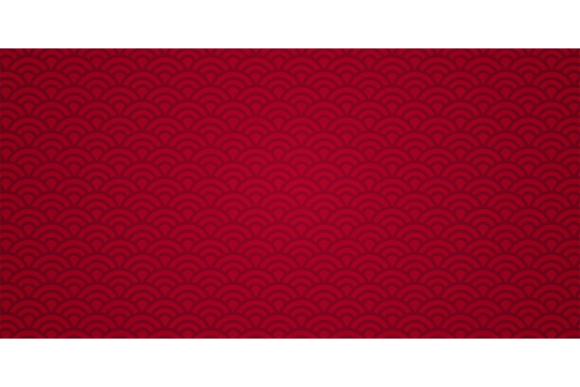
As a designer who’s stitched hundreds of client projects—from boutique baby onesies to Etsy embroidery kits—I opened Red Scales Pattern in Chinese Style. Dec expecting boldness, but what struck me first was its quiet confidence. This isn’t a loud, cluttered motif. It’s a rhythmic, interlocking series of crimson scales arranged with the balance of a Ming dynasty scroll: deliberate spacing, subtle curvature, and a sense of movement that flows left to right like ink brushing silk. The red reads rich—not flat or synthetic—and the scale shapes carry just enough organic irregularity to feel hand-drawn, not algorithmically repeated. That nuance matters when you’re translating it into thread.
Where It Lives Best: A Real Tote Bag Test
Last week, I prepped Red Scales Pattern in Chinese Style. Dec for a custom embroidered linen tote bag—intended as a limited-run gift for a local tea shop’s Lunar New Year pop-up. Why this design? Because it’s decorative *without* being fussy. On a 10” x 12” tote panel, centered just below the handle seam, the pattern scaled beautifully: large enough to read at arm’s length, tight enough to hold visual weight without overwhelming the fabric’s natural texture. The vector origin (EPS/SVG) meant crisp edges at any size—no pixelation when enlarged for the front panel or reduced for a matching keychain patch.
It performed especially well as a machine embroidery design on medium-weight linen-cotton blend. The layout allowed generous breathing room between scale units—critical for fill stitch clarity and stabilizer performance. No crowding. No thread nesting. Just clean satin-stitched curves and smooth transitions. Customers responded instantly: “It feels lucky,” one said. “Like it belongs.” That emotional resonance? Rare in generic background graphics. It’s why Red Scales Pattern in Chinese Style. Dec fits so naturally on nursery decor, wedding guest towels, or even a silk-lined apron for a chef’s personal brand.
Where to Pause—and Plan Ahead
This isn’t a one-size-fits-all embroidery file. Its strength lies in intentionality—not versatility. Here’s where I recommend extra attention:
- Small hoop sizes: Avoid cramming the full repeat into a 3” hoop. The scale units need minimum 1.5” width to retain shape integrity in stitch. For caps or tiny patches, isolate 2–3 scales and reposition thoughtfully.
- Textured or stretchy fabrics: On terry cloth towels or jersey-knit sweatshirts, test stabilizer layers first. Dense fill areas can pucker if backing isn’t firm enough—especially where scales overlap slightly at the edges.
- Dark or black fabric: The red reads deeply elegant on charcoal or navy—but only with high-contrast thread (e.g., #402 or #413 Sulky Rayon). On black, avoid matte cottons; go for lustrous rayon or metallic for lift.
- Curved surfaces: Don’t use the full horizontal repeat on baseball caps. Instead, adapt a vertical column of 4–5 scales along the crown seam—it follows the curve and reads as intentional, not compromised.
- Frequent-wash items: Baby onesies or kitchen towels demand tight stitch density and secure underlay. Check that small inner curves don’t drop stitches after wash testing. A light running stitch outline helps lock edges.
What It Adds—Beyond the Thread
Red Scales Pattern in Chinese Style. Dec elevates more than just the surface it covers. It quietly signals craftsmanship. When customers see those evenly spaced, rhythmically aligned scales on a handmade product, they register care—not just decoration. That perception directly impacts perceived value, repeat purchases, and word-of-mouth trust. For an Etsy seller listing personalized gifts, this design becomes a subtle differentiator: it’s recognizable, culturally grounded, and commercially safe (no trademarked symbols or overused motifs).
It also plays well across formats. As a digital embroidery file, it’s equally effective as a standalone motif, a border repeat, or a layered applique base. Paired with minimalist sans-serif monogramming? Elegant. Overlaid with delicate gold metallic accent stitching? Luxe. Used in a printable mockup for your Shopify store? Instant cohesion—customers immediately grasp the aesthetic before they even click “add to cart.”
Your Practical Checklist Before Stitching
- Test on scrap fabric *identical* to your final project—linen behaves differently than cotton poplin, and both react uniquely to red thread.
- Review stitch density in your embroidery software. If fill areas exceed 18,000 stitches per square inch, simplify or add stop points for thread breaks.
- Confirm hoop size compatibility. The full pattern likely needs at least a 5” x 7” hoop for optimal tension and registration.
- Inspect corners and inner curves at 200% zoom—vector sharpness doesn’t guarantee stitch fidelity. Tiny gaps may need manual digitizing tweaks.
- Mock it up in black and white first. Does the rhythm hold? Does negative space breathe? If it flattens into noise, reduce scale count or increase spacing.
- Use cutaway stabilizer for woven fabrics, tear-away for knits—always matched to your fabric weight.
- Verify licensing: since this is listed under Illustrations and Graphics, confirm whether commercial use (e.g., selling finished embroidered totes) is permitted before launching your craft business batch.
In short: Red Scales Pattern in Chinese Style. Dec isn’t background noise. It’s a quiet statement—one that earns attention through restraint, honors tradition without cliché, and translates cleanly from screen to stitch. Whether you’re building a cohesive line of holiday embroidery, designing a signature patch for your small shop product, or curating digital design assets for fellow makers, this pattern holds its ground. It doesn’t shout. It invites closer looking. And in handmade work—where every detail is a promise—that’s exactly the kind of design that lasts.